
- Delhi
- Last Update 09:40: am
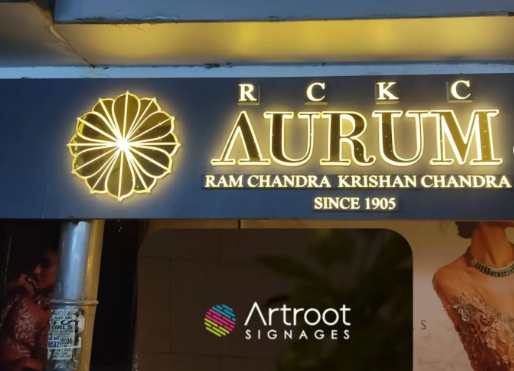
How to Choose a Custom Neon Sign for Your Cafe, Studio or Office: Ideas, Colours and Styles Explained
A Neon Sign can give your cafe, studio or office a memorable focal point. Yet a good design needs more than a bright glow. It should fit your space, reflect your brand and make its message easy to read. This guide covers sign styles, colour choices, placement and questions to ask before ordering. You’ll also learn how to compare LED neon-style signs with traditional glass neon.
How do you choose a Neon Sign?
Start with what the sign needs to do. A storefront sign helps people find your business. An interior sign can reinforce your brand or create a feature wall. Once you know its purpose, you can choose the right size, message and placement.
Artroot Signages offers custom neon designs for cafes, restaurants, offices, studios, retail spaces and showrooms. Its process considers brand identity, dimensions, location and the desired lighting effect before fabrication. That planning helps connect the sign design to the actual space.
Which neon sign style fits your business?
A business name, logo, symbol or short phrase can all work as a custom neon sign. The right choice depends on viewing distance and how people use the space.
|
Style |
Works well for |
Planning tip |
|
Business name |
Storefronts, cafes and studios |
Keep letters readable from the entrance |
|
Logo or symbol |
Reception walls and showrooms |
Simplify fine details if needed |
|
Short phrase |
Feature walls and photo spots |
Choose words that sound like your brand |
|
Outline graphic |
Salons, cafes and creative spaces |
Use a shape people can recognise quickly |
For example, a cafe might put its name near the entrance and use a small coffee icon inside. A studio could choose a short phrase for its photo wall. In both cases, fewer design elements can make the main message easier to notice.
How should you choose colours and lettering?
Choose colours that suit your brand and stand out from the wall behind the sign. Then consider the room’s lighting. A colour can look different under daylight, warm lamps or darker evening conditions.
Before you approve the design:
- Compare the proposed colours with your wall finish.
- View the design in the lighting the space will actually use.
- Use enough contrast between the sign and its background.
- Limit the number of colours if they compete with the wording.
- Check that thin strokes and script fonts remain clear at full size.
A detailed logo may need minor adjustments to work at a smaller scale. Ask for a preview that shows the design at its planned dimensions. That makes it easier to check spacing, readability and the overall balance.
Where should the sign go?
Place the sign where visitors naturally look. For a cafe, that might be above the counter or on a visible interior wall. An office may use a sign at reception, while a studio might place one where clients gather or take photos.
Measure the space before choosing dimensions. Also consider doors, windows, shelves, lighting and other signs. For an exterior sign, check its visibility from the approach and ask whether the proposed product suits outdoor conditions.
Use this simple planning sequence:
- Decide whether the sign is for identification, branding or decoration.
- Measure the wall or sign area.
- Take a photo from the viewer’s likely position.
- Mark nearby lights, windows and objects that may block it.
- Review a scaled design before approving fabrication.
- Confirm the mounting surface and power access.
A neon sign board should fit its setting instead of competing with every other visual feature. If you also need broader illuminated signage, compare Artroot’s LED sign boards.
What should you ask a neon sign company?
When comparing a neon sign company, ask exactly what product the quote includes. “Neon” may describe traditional glass tubing or an LED-based product designed to create a similar look. Artroot’s site describes its neon design and fabrication service, but does not specify the technology for every sign. Confirm the product details with the team.
Also ask about:
- Sign dimensions, colours and finish
- Indoor or outdoor suitability
- Mounting hardware and cable routing
- Power supply placement and access
- Cleaning, maintenance and warranty terms
If you’re looking for a custom neon LED sign board maker in Delhi, share a logo file, wall photo, measurements and intended use. This gives the maker useful context for a quote. Searches such as “Customized neon lights name near me” can help you find local providers, but compare project examples and installation support before deciding.
People researching Neon Signs India may see both LED neon-style products and glass neon options. Ask the supplier which type they recommend and why. A neon sign LED light setup and a glass tube sign have different construction and care needs, so check the product instructions before ordering.
How can you plan safe installation and care?
Confirm the power supply location and cable route before fabrication. Also ask who will mount the sign and connect its electrical components. Have electrical work handled by a qualified professional, and follow the manufacturer’s instructions for the specific product.
For outdoor use, confirm that the sign and its electrical components suit the site’s exposure. Do not assume that an indoor model can handle rain, dust or direct sun. Ask the supplier about cleaning and maintenance as well.
Conclusion
The right Neon Sign fits the space, uses clear lettering and supports your brand without overwhelming the room. Decide its purpose first, then review colour, scale, placement and product details. To discuss a custom design for your cafe, studio or office, explore Artroot’s neon signs or its reception logo signage.
Frequently Asked Questions
Can I turn my logo into a neon sign?
Often, yes. A sign maker can review your logo’s lettering, shapes and colours, then prepare it for fabrication. Very small details or thin lines may need changes to remain clear when illuminated. Send a high-quality logo file and ask to approve a full-size preview before production begins.
Are neon signs suitable for small businesses?
Yes. Cafes, salons, studios and small offices can use neon signs for a business name, logo or interior feature. The key is choosing a size that suits the wall and a message people can read quickly. A focused design can work well even when the available space is limited.
Can a neon sign be installed outdoors?
Some products are made for outdoor use, but suitability depends on the sign construction, electrical components and installation. Ask the supplier to confirm the exact product’s approved location and care requirements. Also check local rules that may apply to exterior signs on your building or street.
What should I send when requesting a neon sign quote?
Share the intended location, approximate dimensions, a photo of the wall, your logo or wording, preferred colours and whether the sign will be indoors or outside. Mention power access and the wall surface, too. These details help the sign maker assess the design and installation needs.
How should I clean a neon sign?
Turn the sign off before cleaning and follow the manufacturer’s care instructions. Use a soft cloth, and avoid pulling on cables or pressing hard on the illuminated parts. If you see damage or the sign stops working, contact the supplier or a qualified technician instead of opening the electrical parts.
What is the difference between LED neon and glass neon?
Glass neon uses shaped glass tubing, while LED neon-style products use LEDs and a diffuser to create a continuous glow. Their appearance, construction and care instructions differ. Ask the supplier which technology the quote includes, and request product information so you know what you’re buying.
Popular Post

- Saturday 30, 2022
Advantages of using electric scooters in India

- Monday 08, 2022
Why Cheetos are Popular in Snacks?

- Saturday 20, 2022
Why Do You Need a Financial Advisor?

- Saturday 17, 2022
Reasons Why Doritos Taste So Damn Good

- Thursday 06, 2022
5 Famous Temples in Gurugram

- Wednesday 18, 2023
What are the health benefits of Cheetos?

- Saturday 06, 2023
7 Things to Consider Before You Hire Packers and Movers in Noida


Tags