
- Delhi
- Last Update 06:15: pm
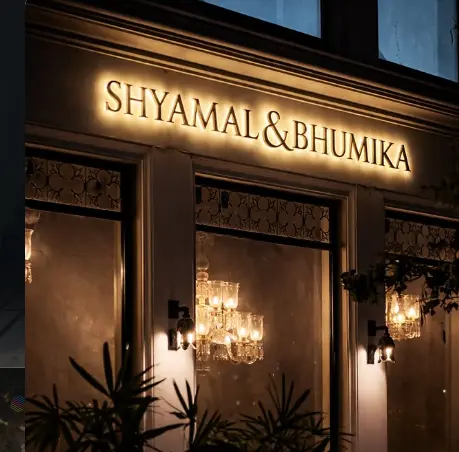
Custom Branding Solutions for Retail Stores: Signage, Graphics and Storefront Design Ideas
Custom Branding Solutions help retail stores turn a plain shopfront into a recognisable brand experience. The right mix of signboards, graphics, illuminated letters, and interior brand features makes a store easier to identify and navigate. This guide covers practical ideas, material choices, and planning steps for a consistent retail identity.
A retail store needs more than attractive products to stand out. Its exterior and interior should communicate the same brand identity. From the entrance sign to the checkout area, every visual detail shapes customer perception.
Therefore, thoughtful branding can help create a memorable shopping environment. Here are practical ways to improve your store's appearance with signage and creative design.
What Are Custom Branding Solutions for Retail Stores?
Custom Branding Solutions combine signage, visual graphics, materials, lighting, and architectural features to represent a business. Unlike ready-made designs, these elements are created around the store's brand guidelines and available space.
A complete retail branding plan can include:
- Exterior shop signboards and brand logos
- 3D acrylic and stainless steel letters
- Illuminated LED signage
- Wall branding and decorative installations
- Promotional graphics and display areas
- Directional and department signs
- Custom reception and checkout branding
The objective is simple: create a consistent visual identity that customers can recognise across the entire store.
7 Custom Branding Ideas to Improve Your Retail Store
1. Create a Distinctive Storefront Sign Board Design
Your storefront is often the first interaction customers have with your business. Therefore, your signboard should display your brand name clearly and match your overall identity.
Consider these design elements:
- Use readable fonts and suitable letter spacing.
- Match the signboard colours with your brand palette.
- Select materials that suit the building facade.
- Keep the logo visible from the main approach.
- Use suitable lighting for evening visibility.
ACP signboards, acrylic lettering, and metal letters can create different visual styles. Choose a design that complements your store's architecture.
2. Use 3D Letters for a Premium Brand Appearance
Flat printed signs may not create the visual depth some retail brands want. Instead, 3D acrylic and stainless steel letters can give a storefront a more defined appearance.
These letters work well for fashion outlets, jewellery stores, electronics showrooms, and premium retail spaces.
You can also explore different finishes, thicknesses, and lighting styles. However, ensure the letter size remains easy to read from the intended viewing distance.
3. Add LED Signage for Better Visibility
LED signboards combine brand identity with illumination. They can display business names, logos, and other visual elements during daytime and evening hours.
Retailers can consider:
- Front-lit letters for direct illumination
- Backlit letters for a soft lighting effect
- Halo-lit letters for a subtle appearance
- Illuminated logo panels for storefront branding
The lighting style should match the business environment. For example, a fashion showroom may prefer subtle illumination, while a busy retail outlet may need stronger visibility.
4. Make Walls Part of Your Custom Branding
Blank walls offer useful space for visual storytelling. Instead of leaving them empty, businesses can introduce branded wall installations and decorative features.
Some creative options include:
- Dimensional brand logos
- Metal and acrylic wall lettering
- Custom geometric panels
- Branded feature walls
- Decorative illuminated structures
Moreover, combining wood, brushed metal, and glowing acrylic can create visual contrast. Keep the design connected to your brand colours and store interiors.
5. Use Window Graphics to Highlight Store Promotions
Store windows can communicate new arrivals, seasonal offers, and product highlights. Well-planned graphics also help connect the storefront with the interior design.
For example, a clothing retailer can use campaign graphics to highlight a seasonal collection. Similarly, a beauty store can display product categories and promotional messages.
Choose graphics that do not block important views into the store. Also, refresh promotional designs when campaigns change.
6. Add Directional Signage for Easy Navigation
Customers should be able to find products and departments without confusion. Directional signage helps them move through the store with less effort.
Useful examples include:
- Department identification signs
- Product category boards
- Billing and checkout directions
- Customer service signs
- Floor directories
Keep messages short and use consistent colours and typography. As a result, customers can understand the signs quickly.
7. Create a Consistent Checkout and Display Experience
The checkout area is another opportunity to reinforce your brand identity. Custom logos, branded wall panels, and suitable decorative signage can make this space feel connected to the rest of the store.
Likewise, product display areas should follow a consistent visual style. Avoid mixing too many colours, fonts, and decorative materials.
How to Choose the Right Custom Signage for Your Store
Every store has different branding needs. Therefore, compare the available materials and signage options before starting fabrication.
|
Signage Type |
Suitable Application |
Main Design Value |
|
ACP signboards |
Storefronts and facades |
Clean, structured appearance |
|
3D acrylic letters |
Shops and showrooms |
Dimensional branding |
|
Stainless steel letters |
Premium retail spaces |
Refined metal finish |
|
LED signboards |
Store entrances |
Illuminated brand visibility |
|
Neon signs |
Cafés and creative retail spaces |
Distinctive visual appeal |
|
Wall installations |
Interior feature areas |
Branded environment |
Also, consider the installation location, lighting conditions, maintenance needs, and available space.
What Should You Look for in a Signage Manufacturer in Delhi?
Choosing the right Signage Manufacturer in Delhi can affect the final appearance and quality of your store branding.
Before selecting a manufacturer, review these points:
Design capability: Check whether the team can work with your logo, colours, dimensions, and design guidelines.
Material knowledge: Ask about acrylic, ACP, stainless steel, aluminium, and suitable LED components.
Fabrication facilities: Understand whether the manufacturer handles fabrication in-house and what equipment supports the work.
Installation experience: Confirm that the team can assess site conditions, mounting requirements, and electrical connections.
Project support: Discuss finishing, quality checks, maintenance access, timelines, and warranty terms.
A proper discussion at the planning stage can prevent costly design changes later.
Common Retail Branding Mistakes to Avoid
Even an attractive design can fail when it does not suit the store or its audience.
Avoid these common problems:
- Using too many fonts and brand colours.
- Choosing small letters for a large storefront.
- Ignoring visibility during evening hours.
- Mixing different signage styles across departments.
- Covering windows with excessive graphics.
- Selecting materials without considering the installation site.
- Ignoring mounting and electrical requirements.
Instead, develop one clear visual direction before ordering individual signage elements.
How Artroot Approaches Custom Branding Projects
Artroot Signages develops custom branding installations around the client's identity, design requirements, and physical space. Its work includes customised signage, creative structures, and mixed-material installations.
The team works with materials such as acrylic, stainless steel, brass, copper, wood, and aluminium. It also uses laser cutting and CNC routing for precision fabrication.
The project process includes design planning, material selection, fabrication, finishing, quality checks, and installation. Artroot also collaborates with design agencies, corporate clients, and interior architects on bespoke projects.
For retail brands, this approach helps connect storefront signage with interior branding elements.
Conclusion
Custom Branding Solutions help retail businesses create a recognisable identity through signage, graphics, lighting, and interior features. From illuminated shopfronts to branded feature walls, each element should support the same visual direction.
Start with your brand guidelines, assess the store layout, and select materials suited to the installation site. Work with an experienced manufacturer to bring the design together.
Artroot Signages provides customised signage and branding installations for commercial spaces. Visit Artroot's website to discuss your retail branding requirements and plan a design that reflects your business identity.
Frequently Asked Questions
1. What is the difference between retail branding and retail signage?
Retail branding covers the complete visual identity of a store, including colours, graphics, displays, signage, and interior features. Retail signage focuses on signs that display the business name, promote products, or guide customers. Signage is one part of a wider retail branding strategy.
2. How much do custom branding solutions cost for a retail store?
The cost depends on the project size, materials, design complexity, lighting, and installation requirements. A basic storefront sign will have different costs from a complete branding installation. Request a customised quotation after sharing measurements, reference designs, material preferences, and site photographs.
3. Can I use my existing logo for custom store signage?
Yes. Your existing logo can guide the design of acrylic letters, illuminated signs, metal lettering, and other branding elements. Share your original logo files and brand guidelines with the manufacturer. This helps maintain consistent colours, typography, proportions, and overall brand recognition.
4. Which material is suitable for retail storefront signage?
The right material depends on the design, budget, building facade, and exposure to weather. ACP offers a structured signboard surface, while acrylic and stainless steel suit dimensional lettering. LED components can add illumination where the design requires it. Always confirm material suitability for the installation site.
5. How long does a custom retail signage project take?
The timeline depends on the sign's size, design approval, materials, fabrication details, and installation work. Artroot states that most standard signage projects take around 7–15 business days after final layout approval. More complex custom branding installations may require additional planning and fabrication time.
6. Can a signage manufacturer create branding for multiple retail outlets?
Yes. A manufacturer can develop repeatable design specifications for multiple outlets. These may cover logo dimensions, colours, materials, lighting, and mounting details. A standard design guide helps maintain consistency across branches while allowing adjustments for different building layouts and site conditions.
Popular Post

- Saturday 30, 2022
Advantages of using electric scooters in India

- Monday 08, 2022
Why Cheetos are Popular in Snacks?
- Saturday 20, 2022
Why Do You Need a Financial Advisor?

- Saturday 17, 2022
Reasons Why Doritos Taste So Damn Good

- Thursday 06, 2022
5 Famous Temples in Gurugram

- Wednesday 18, 2023
What are the health benefits of Cheetos?

- Saturday 06, 2023
7 Things to Consider Before You Hire Packers and Movers in Noida

Tags