
- Delhi
- Last Update 07:36: am
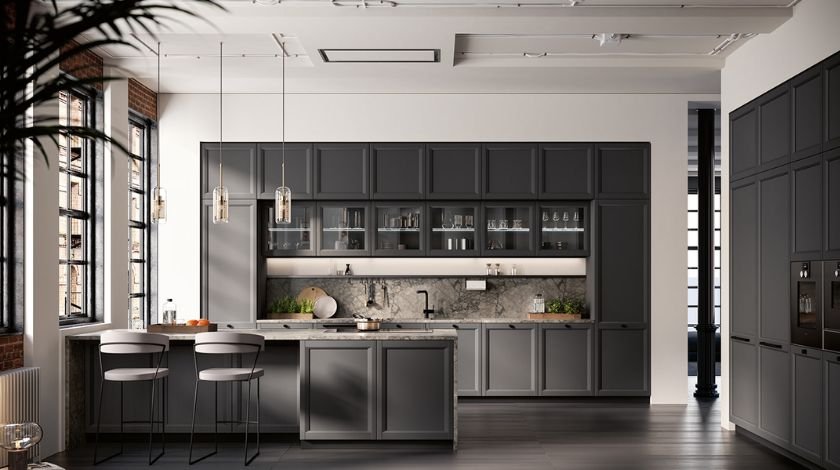
Factory-Made Modular Wardrobes and Kitchens: What Delhi NCR Homeowners Should Know
Planning home interiors in the National Capital Region presents unique storage challenges. Homeowners often struggle to choose between traditional on-site carpentry and modern precision manufacturing. Finding dependable Modular Wardrobe Manufacturers in Gurgaon helps you bridge the gap between aesthetic appeal and long-term storage durability.
Custom cabinetry should maximize vertical storage space while keeping your daily essentials easily accessible. Traditional hand-built units often take weeks of noisy work inside your home. They can also create dusty conditions and lead to inconsistent edge finishes. Modern production methods solve these challenges by moving the heavy craftsmanship to controlled off-site facilities.
Automated factory production ensures every wooden panel receives exact dimensions and tight edge banding. Computer-controlled machinery eliminates human errors in cutting, drilling, and finishing. As a result, your bedroom and kitchen storage units fit precisely into your home layout without messy construction work.
At Novella Kitchens, we focus on bringing precision machinery and superior raw materials to every home interior project. Working with expert Modular Wardrobe Manufacturers in Gurgaon ensures your furniture looks elegant and withstands regional humidity shifts. This guide explains how factory manufacturing works, what materials perform best, and how to choose the right storage layout.
The Shift from Traditional Carpentry to Factory Manufacturing
Traditional carpenters build furniture manually using basic hand tools directly inside your rooms. While skilled carpenters craft customized pieces, manual cutting often produces uneven edges and loose joints over time. Moisture exposure can cause hand-glued laminates to peel along cabinet edges.
Factory manufacturing uses Computer Numerical Control (CNC) machinery and edge-banding equipment. Industrial machines cut, drill, and edge-seal raw boards under high pressure and temperature. Factory settings ensure that moisture resistant glues cure evenly, creating protective seals along every panel edge.
[On-Site Carpentry] ??> Manual Cutting ??> Hand Glue Application ??> Inconsistent Edges & Dust
[Factory Production] ??> CNC Precision ??> High-Pressure Banding ??> Sealed Edges & Fast Assembly
Key Differences Between On-Site and Factory Construction
| Feature | On-Site Carpentry | Factory Manufacturing |
| Dimension Accuracy | Hand-measured, prone to minor manual errors | CNC cut, precise to fractions of a millimeter |
| Edge Banding | Hand-applied liquid glue, susceptible to peeling | Machine-applied hot-melt PVC banding, moisture proof |
| Site Noise & Dust | 3 to 6 weeks of noise, dust, and manual labor | 2 to 3 days of clean, quiet on-site assembly |
| Material Usage | Higher timber waste due to manual cuts | Optimized panel nesting with minimal material waste |
| Warranty & Finish | Varies by individual carpenter skill | Standardized factory finish with manufacturer warranty |
Essential Materials for Modular Storage Units
Choosing high-quality core boards determines how well your wardrobes and cabinets handle heavy everyday use. Different areas of your home require specific wood grades based on moisture exposure and weight loads.
              ??? BWP Plywood (High Moisture Zones: Sinks & Kitchen Carcass)
              ?
Raw Materials ??? BWR / Commercial Plywood (Dry Storage: Bedroom Wardrobes)
              ?
              ??? High-Density MDF / HDF (Decorative Shutter Panels & Routing)
Core Board Options
-
Boiling Water Proof (BWP) Plywood: Excellent for moisture prone areas. Its marine-grade resin layers stop swelling from water exposure.
-
Boiling Water Resistant (BWR) Plywood: Ideal for bedroom wardrobes and living area storage where direct water contact remains low.
-
High-Density Fiberboard (HDF): Features smooth surface textures, making it suitable for decorative router designs and painted shutter finishes.
Surface Finishes for Urban Homes
Selecting the right exterior surface balances design appeal with easy daily maintenance. Laminates offer budget-friendly durability and scratch resistance. High-gloss acrylic finishes reflect light, making compact rooms feel larger. Anti-fingerprint matte surfaces provide a smooth feel while keeping maintenance low.
Popular Modular Wardrobe Layouts
Your chosen layout should match your room dimensions and daily routine. Choosing the right door opening style ensures comfortable movement around your bedroom space.
1.Hinged Door Wardrobes:
Hinged doors swing outward, offering complete access to your entire storage frame at once. They suit spacious bedrooms where open doors do not block walkways.
2.Sliding Door Systems:
Sliding panels move laterally along top and bottom tracks. They save floor space, making them ideal for compact master bedrooms or narrow rooms.
3.Walk-In Closet Configurations:
Walk-in setups use open shelving, dedicated shoe racks, and tall hanging bays across multiple walls. They suit large dressing rooms needing maximum organization.
Key Hardware Components for Long-Term Durability
Internal mechanisms dictate how smoothly your drawers and doors operate. Investing in reliable hardware prevents cabinet doors from sagging after years of use.
-
Soft-Close Hinges: Hydraulic cushions control door closure, preventing harsh slams and preserving hinge alignment.
-
Full-Extension Telescopic Runners: Heavy-duty drawer channels let drawers pull out fully, giving clear access to back corners.
-
Pull-Out Accessories: Tie racks, trouser lifters, and jewelry trays keep accessories organized and easy to reach.
-
Overhead Lift-Up Systems: Gas struts support upper kitchen and wardrobe shutters, keeping them elevated safely during use.
Step-by-Step Installation Process
Factory-made cabinetry follows a structured path from initial design concepts to final installation.
-
Detailed Site Survey: Laser measuring tools check wall straightness, floor levels, and electrical point locations.
-
3D Design Approval: CAD software maps panel cuts, shelf heights, and door clearances before production starts.
-
Automated Factory Production: CNC machines process raw panels, apply edge tape, and pre-drill hardware holes.
-
Flat-Pack Delivery: Components are wrapped securely and shipped straight to your doorstep.
-
Clean On-Site Assembly: Skilled technicians assemble pre-drilled panels using sturdy connective fittings within days.
Conclusion
Upgrading your home with factory-built storage brings lasting durability, clean aesthetics, and precise spatial planning. Standardized factory processing eliminates the delays, dust, and finish inconsistencies common with traditional manual carpentry. Selecting marine-grade core boards, durable surface finishes, and quality hardware ensures your storage units remain functional for years to come.
When you want to blend practical storage with modern design, professional craftsmanship makes every detail count. Trust Novella Kitchens to transform your vision into reality with expert planning and precision manufacturing. Contact our design team today to plan your custom bedroom storage or your next Modular Kitchen in Delhi project with complete confidence.
Frequently Asked Questions
- What is the average lifespan of a factory-made modular wardrobe?
A well-maintained factory wardrobe made with high-density core boards lasts fifteen to twenty years. High-pressure machine edge banding keeps moisture from entering wood fibers, preventing internal swelling and structural weakening over time.
- Why is factory edge banding superior to manual edge tape?
Factory edge banders apply hot-melt adhesives under high pressure and temperature. This process creates a seamless seal between the board and PVC strip. Manual gluing uses room-temperature adhesives that dry unevenly and peel away after heat exposure.
- Can modular wardrobes be dismantled and reinstalled during relocation?
Yes, modular cabinetry uses knockdown fittings like cam locks and dowels rather than permanent nails. Professional technicians can safely dismantle, transport, and reassemble these units in a new home without damaging the wooden panels.
- Which core material works best for sliding wardrobe shutters?
High-Density Fiberboard (HDF) or structural-grade plywood works best for tall sliding doors. These materials maintain straight profiles, preventing the warping that can cause sliding mechanisms to stick inside tracks.
- How do I maintain and clean acrylic wardrobe shutters?
Clean high-gloss acrylic surfaces using a soft microfiber cloth dipped in mild soapy water. Avoid abrasive sponges or harsh chemical cleaners, as they can scratch the glossy protective layer and dull its shine over time.
-
How long does factory production take compared to on-site work?
Factory manufacturing typically takes two to three weeks for complete precision crafting. Once components arrive at your site, installation takes only two to three days, avoiding the weeks of dust and noise caused by on-site carpentry.
Popular Post

- Saturday 30, 2022
Advantages of using electric scooters in India

- Monday 08, 2022
Why Cheetos are Popular in Snacks?

- Saturday 20, 2022
Why Do You Need a Financial Advisor?

- Saturday 17, 2022
Reasons Why Doritos Taste So Damn Good

- Thursday 06, 2022
5 Famous Temples in Gurugram

- Wednesday 18, 2023
What are the health benefits of Cheetos?

- Saturday 06, 2023
7 Things to Consider Before You Hire Packers and Movers in Noida


Tags