
- Delhi
- Last Update 12:40: pm
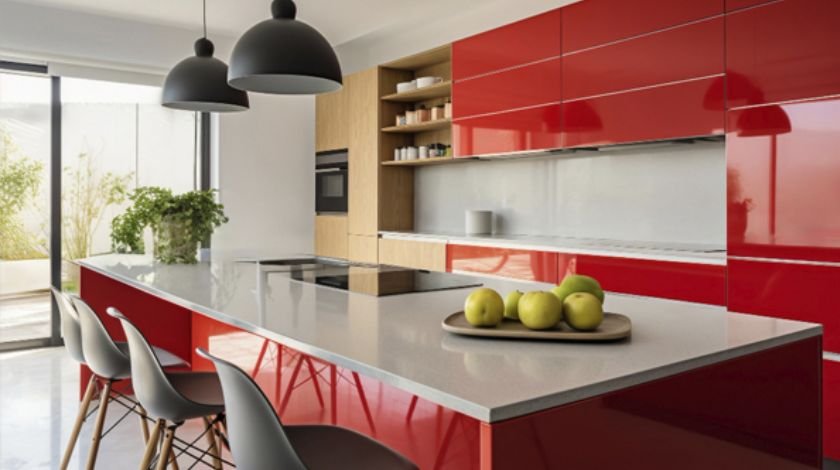
Per Sq Ft vs Itemized Pricing: Which Gives a Clearer Modular Kitchen Budget in Delhi?
Planning a new kitchen brings excitement, but final pricing quotes often cause confusion. Homeowners typically encounter two distinct pricing methods when requesting estimates from interior designers or kitchen vendors. You will usually receive either a broad surface area calculation or a detailed breakdown listing individual cabinet boxes and hardware fittings.
Understanding how contractors calculate these estimates saves you from unexpected financial surprises later in the project. The classic surface area model gives a quick baseline for rough planning. However, this estimate rarely reflects the final invoice price because it ignores hardware variations and internal accessories.
When you start planning your home renovation, evaluating a modular kitchen cost per sq ft offers a quick starting point. This metric helps you quickly check if a design style fits your initial budget expectations. However, relying solely on surface area numbers can hide critical costs that appear during final installation.
In this guide, you will learn how both pricing models work in practice. At Novella Kitchens, we believe transparent estimation helps homeowners make confident choices. You will discover the exact differences between flat surface rates and detailed itemized estimates so you can build an accurate budget.
Understanding Per Sq Ft Pricing
The per square foot model calculates costs by multiplying the front surface area of your cabinets by a fixed rate. Designers measure the length and height of the wall space occupied by upper and lower units.
This approach works well for quick preliminary quotes during early design meetings. However, it treats every cabinet identically regardless of internal complexity. A basic hollow cabinet with two shelves costs the same per foot as an advanced corner unit with pull-out trays under this system.
Advantages of Surface Area Estimates
-
Speed: Vendors generate instant rough estimates during your initial showroom visit.
-
Simplicity: Homeowners quickly grasp basic cost differences between standard straight and L-shaped layouts.
-
Early Benchmarking: It helps you filter out design options that exceed your primary spending limit.
Drawbacks of Surface Area Estimates
-
Hidden Upgrades: High-end soft-close hinges or tandem boxes trigger extra charges later.
-
Material Ambiguity: Flat rates often assume standard commercial plywood rather than premium waterproof boards.
-
Accessory Exclusion: Specialized items like tall pantry pull-outs and cutlery organizers are rarely included.
The Itemized Pricing Model Explained
Itemized pricing breaks down your entire kitchen setup into individual components. Each cabinet carcass, shutter door, hinge, handle, and internal accessory carries a distinct price tag based on exact specifications.
This transparent method shows you precisely where every rupee goes. If your budget feels tight, you can easily swap expensive drawer systems for standard shelves without redesigning the entire room layout.
+-----------------------------------------------------------------------+
|                       ITEMIZED PRICING MODEL                          |
+-----------------------------------------------------------------------+
|  [Carcass Units]  -->  Choice of BWP Plywood / HDMR / Particle Board  |
|          +                                                            |
|  [Shutter Finish] -->  Acrylic / Polymer / Laminate / PU Paint        |
|          +                                                            |
|  [Hardware]       -->  Soft-Close Hinges / Tandem Drawers / Lift-ups  |
|          +                                                            |
|  [Countertop]     -->  Granite / Engineered Quartz / Solid Surface     |
+-----------------------------------------------------------------------+
Side-by-Side Pricing Comparison
To see how these two valuation systems differ, consider a standard 10x10 foot parallel cooking layout.
| Feature | Per Sq Ft Calculation | Itemized Breakdown Calculation |
| Primary Focus | Total wall surface area | Individual material and hardware costs |
| Accuracy | Approximate (± 25% variation) | Highly Accurate (Exact bill of materials) |
| Flexibility | Difficult to adjust individual item costs | Easy to swap components to fit budget |
| Hardware Transparency | Low (Assumes basic standard fittings) | High (Lists brand, load capacity, and mechanism) |
| Civil Work Inclusion | Excluded | Explicitly quoted if needed |
| Best Used For | Initial budget estimation | Final contract signing |
Key Factors That Alter Your Real Expenses
Regardless of the pricing method your contractor uses, specific material choices directly influence your total expenditure.
1. Cabinet Core Material
Water resistance dictates board longevity in humid cooking spaces. Boiling Water Proof (BWP) plywood costs more than high-density moisture-resistant (HDMR) boards or particle board, but it prevents structural swelling around sink areas.
2. Exterior Shutter Finishes
High-gloss acrylic shutters offer a sleek modern look but sit at a higher price tier than standard matte laminates. Polyurethane (PU) paint finishes require meticulous craftsmanship, which increases total finishing costs.
3. Internal Hardware Systems
German and Austrian soft-close channels, corner magic units, and vertical lift-up mechanisms add convenience. However, choosing premium hardware moves your overall project cost above basic baseline averages.
How to Get an Accurate Estimate: Step-by-Step
Follow this systematic process to secure an accurate quote before work begins on site.
1. Complete a Professional Site Survey:
Request an accurate structural measurement. Professional designers measure wall angles, floor levels, and plumbing locations to prevent manufacturing errors.
2. Finalize Storage Requirements:
List your exact storage needs. Decide how many deep drawers, pull-out spice racks, and upper wall cabinets your daily cooking style requires.
3. Select Specific Materials:
Choose your exact combination of core board grade, shutter finish, and countertop surface material instead of relying on generic material descriptions.
4. Request a Detailed Bill of Quantities:
Ask your vendor for a complete itemized bill of quantities (BOQ) that lists individual module prices, hardware brands, and installation fees.
Smart Cost Optimization Strategies
You can achieve a durable, beautifully designed kitchen without exceeding your financial boundary by applying these practical tips:
-
Mix and Match Finishes: Use premium high-gloss acrylic on eye-level upper shutters and durable anti-scratch laminate on lower cabinets.
-
Standardize Module Sizes: Stick to standard cabinet dimensions rather than custom odd sizes to avoid specialized manufacturing surcharges.
-
Select Essential Hardware: Focus your hardware investment on heavy-duty drawer channels for pots and pans while using standard soft-close hinges on overhead doors.
-
Plan Civil Work Early: Finalize electrical points and plumbing layouts before cabinet manufacturing starts to eliminate costly on-site modifications.
Selecting a reliable modular kitchen in Delhi requires balancing initial estimates with long-term material durability. When evaluating quotes across different vendors, asking for itemized component lists ensures you get true value for your investment.
Planning your project with transparent pricing models lets you customize every module to your preferences. At Novella Kitchens, our team provides clear material specifications and detailed cost guides tailored to your layout, ensuring your final build matches your expectations perfectly.
Frequently Asked Questions
-
Why do vendors quote different rates per sq ft for the same kitchen size?
Vendors use different baseline assumptions for core materials, shutter finishes, and hardware quality. One quote might assume basic particle board with thin laminate, while another includes waterproof plywood with acrylic finishes, causing a wide rate gap.
-
Does a per sq ft estimate include countertop and appliance costs?
Standard surface area rates rarely include granite countertops, built-in appliances, chimney installations, or civil plumbing modifications. Always ask vendors to clarify whether these essential additions are included in their baseline rates.
-
How much buffer budget should I keep for unforeseen kitchen expenses?
Keeping a ten to fifteen percent contingency buffer protects your budget. This reserve covers unexpected wall leveling, electrical rewiring, gas pipeline extensions, or custom filler panels discovered during site installation.
-
Is itemized pricing always more expensive than per sq ft pricing?
No, itemized pricing is not inherently more expensive. It often saves money by preventing hidden fees later. You see exact unit costs, allowing you to downgrade non-essential accessories to keep your overall expenses under control.
-
What is the most cost-effective shutter finish for daily cooking spaces?
High-pressure laminate (HPL) offers the best balance of affordability, heat resistance, and scratch durability. It withstands heavy kitchen usage, cleans easily, and costs significantly less than acrylic or glass finishes.
Popular Post

- Saturday 30, 2022
Advantages of using electric scooters in India

- Monday 08, 2022
Why Cheetos are Popular in Snacks?

- Saturday 20, 2022
Why Do You Need a Financial Advisor?

- Saturday 17, 2022
Reasons Why Doritos Taste So Damn Good

- Thursday 06, 2022
5 Famous Temples in Gurugram

- Wednesday 18, 2023
What are the health benefits of Cheetos?

- Saturday 06, 2023
7 Things to Consider Before You Hire Packers and Movers in Noida


Tags